High Biocompatibility PFM Crown Porcelain Fused For Back Teeth Restoration

Coroa dental da porcelana
November 27, 2025
Category Connection: Coroa dental da porcelana
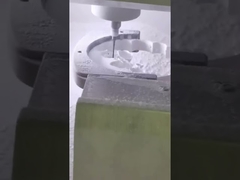
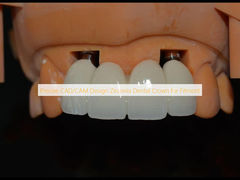
Brief: Get an inside view of features that deliver consistent results in daily use. This video provides a detailed walkthrough of High Biocompatibility PFM Crowns for back teeth restoration, showcasing how porcelain is fused to metal alloys for durable dental solutions. You'll see the manufacturing process and learn about the precise tooth preparation required for optimal crown placement.
Related Product Features:
  • Porcelain fused to metal crowns offer excellent biocompatibility for safe dental restoration.
  • These crowns feature a metal alloy substructure that prevents melting during porcelain fusion.
  • The porcelain surface provides natural tooth color matching for aesthetic results.
  • Designed with good hardness properties for long-lasting back teeth restoration.
  • Suitable for both front and back teeth applications in dental practices.
  • Manufactured using Co-Cr metal alloys for enhanced durability and performance.
  • New condition crowns ensure fresh, sterile products for every dental procedure.
  • Precise tooth preparation required to accommodate both porcelain and metal layers.
Perguntas Frequentes:
  • What are PFM crowns and how are they constructed?
    PFM crowns, or porcelain fused metal crowns, are dental restorations where porcelain is fused to most or all parts of a metal alloy substructure. High melting temperature metal alloys are used to bond the porcelain without changing its color, creating a durable and aesthetically pleasing crown.
  • Are PFM crowns suitable for both front and back teeth?
    Yes, PFM crowns are suitable for both front and back teeth. They are particularly effective for back teeth restoration while also providing good aesthetic results for front teeth due to their ability to match adjacent tooth colors.
  • What are the limitations of PFM crowns?
    PFM crowns require significant tooth tissue removal during preparation and may cause more damage to opposing teeth compared to resin and metal crowns. They are not suitable for cases with receding gums as the porcelain may become visible, and there's a potential risk of porcelain chipping or detachment.
  • What quality control measures are implemented in your manufacturing process?
    Our laboratory employs multiple checking and balancing systems for each case, with final quality control overseen by certified dental technicians and master dental technicians. We maintain strict quality standards through advanced equipment and continuous training programs to ensure case quality remains our primary goal.